Digital Wellbeing in Higher Education: Highlights from the HealthyMindED Workshop at Media and Learning 2026
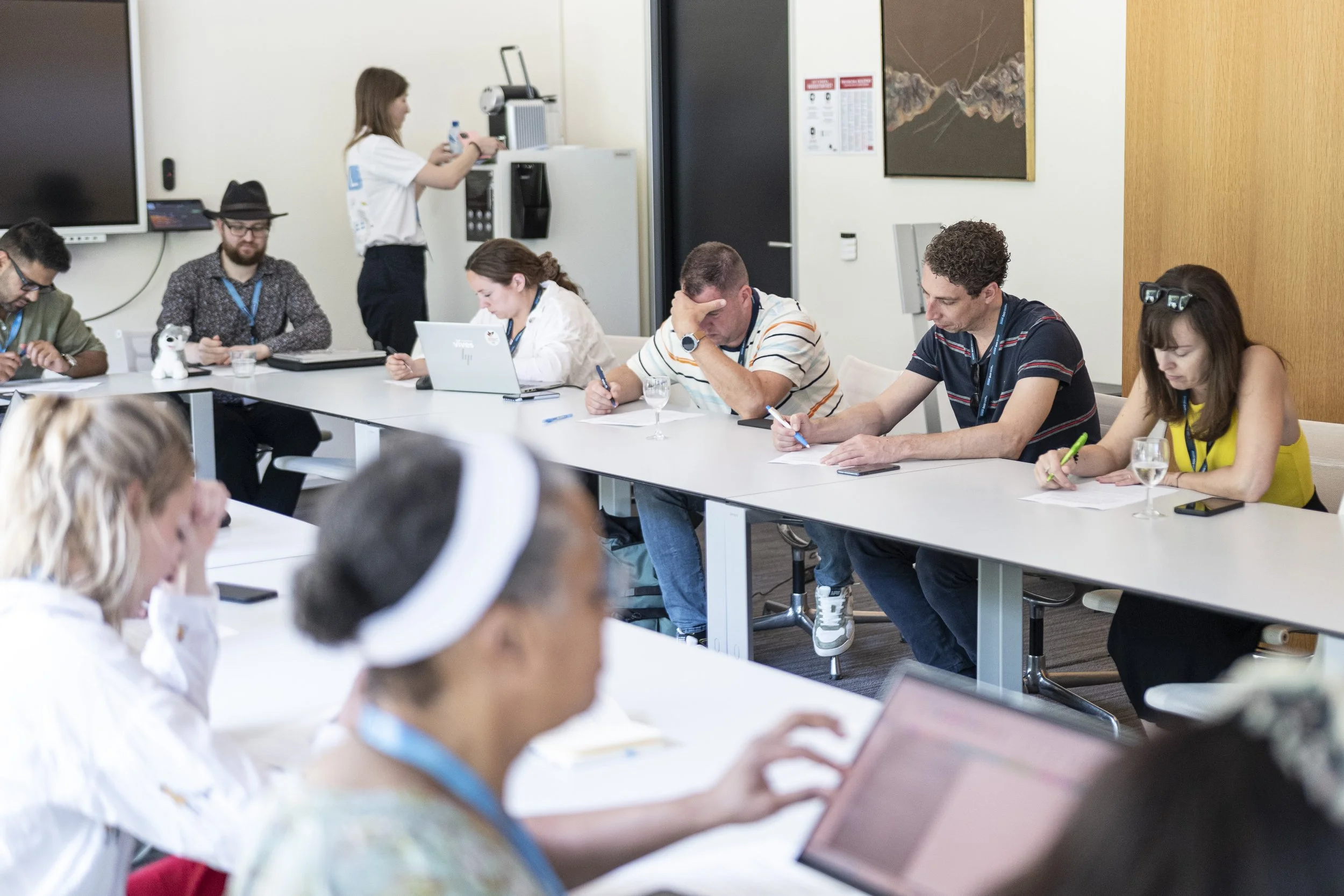
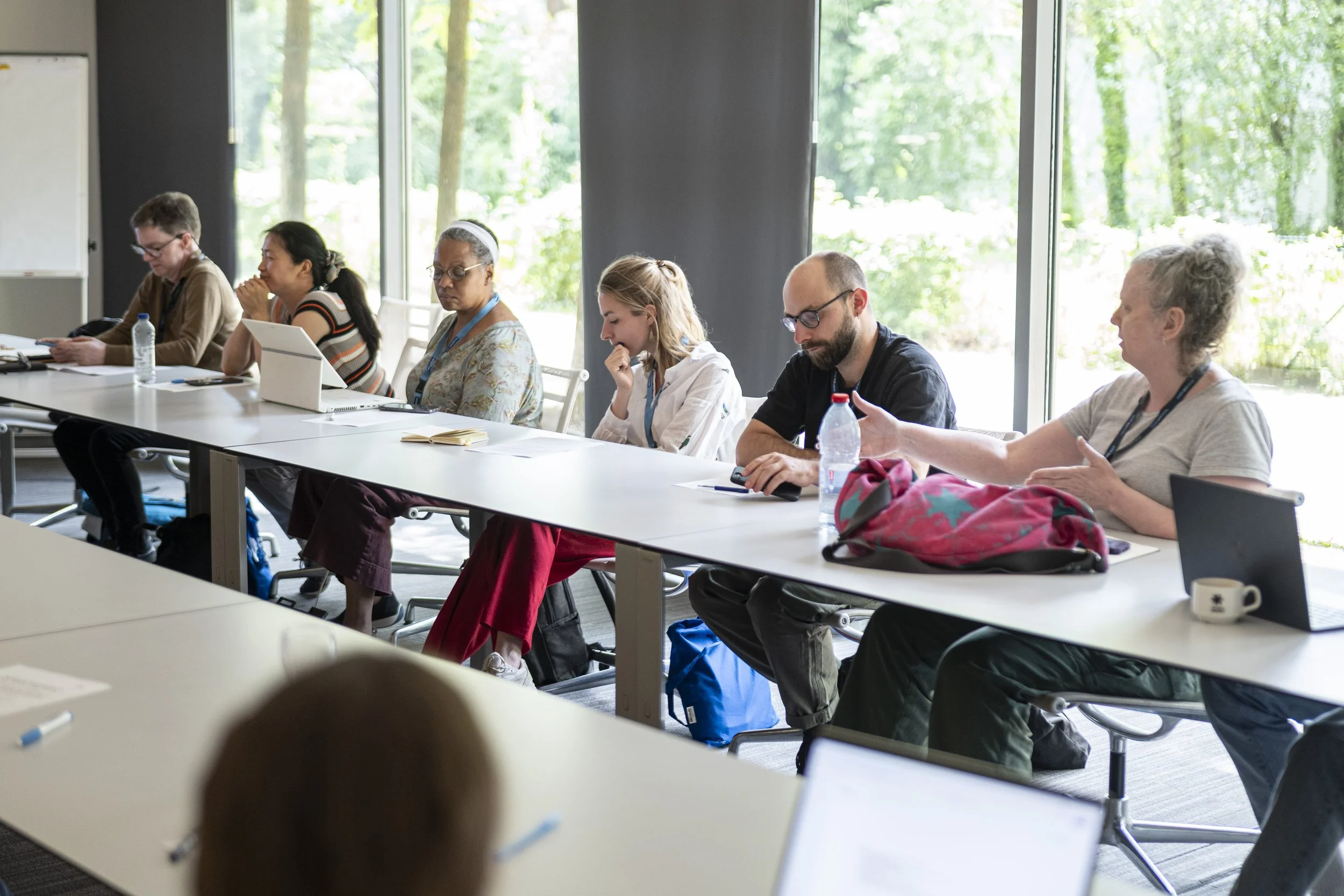
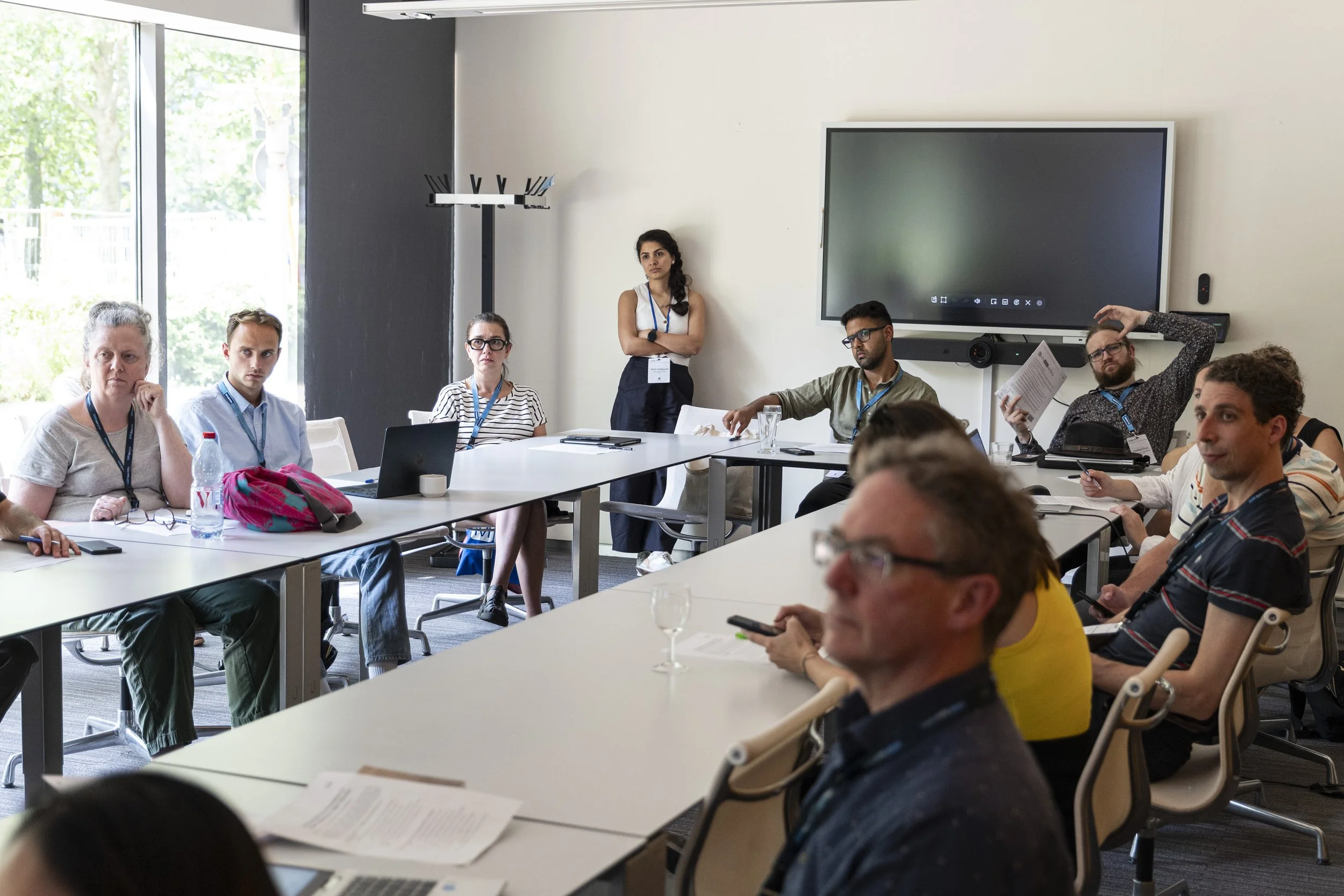
On 19 June, the HealthyMindED Erasmus+ project hosted a ninety minute workshop at the Media and Learning 2026 conference in Leuven. The session brought together educators, learning designers, researchers and support staff to explore how digital learning environments can be designed to reduce cognitive overload and support digital wellbeing in higher education.
Recommendations under the microscope
Dr. Tanja Tillmanns from the University of Erlangen Nuremberg opened the session by introducing the HealthyMindED project and presenting recommendations and strategic actions developed through the project. These address two levels of action: teaching staff and students on the one hand, and higher education decision makers and policy makers on the other. The strategic actions also distinguish between institutional responsibilities, teaching practices and student related support. The workshop invited participants to test them against the realities of everyday higher education. Through a resonance check, participants responded to the recommendations in real time. Most responses indicated a strong resonance, while a small number of question marks opened space for critical reflection. This balance was valuable. It showed that participants recognised the relevance of the topic, but also wanted to discuss how recommendations can be implemented across different institutional contexts.
From recommendations to real dilemmas
The core of the workshop was a scenario based discussion. The scenarios were designed to make the recommendations tangible without turning them into a checklist. They invited participants to reflect on situations that many educators and students recognise from their own digital learning environments.
One scenario focused on communication boundaries. Imagine a student working late at night, sending several urgent sounding questions through the learning management system at 2:00 AM. The teacher wakes up to the notifications and feels immediate pressure to respond so that the student does not fall behind. The discussion did not simply ask whether the teacher should reply. It opened a wider question: when does care become constant availability? This scenario encouraged participants to think about the conditions that make healthy communication possible. Digital wellbeing cannot depend only on one teacher deciding whether to answer a message at night. It also depends on shared expectations, clear communication norms and institutional support for the right to disconnect.
Another scenario addressed the familiar experience of the online classroom filled with black tiles. A teacher asks for feedback during a live digital session, but all cameras remain off and no one speaks. The teacher may feel isolated and demotivated, while students may feel too exposed to turn on their cameras or speak publicly. This scenario triggered an engaged discussion about privacy and inclusion. The question was not whether cameras should simply be on or off. The deeper issue was how digital participation can be designed in ways that support social presence without turning visibility into surveillance. Participants discussed the need for more varied and low pressure forms of participation, including chat, reactions, small group routines, collaborative documents and structured check ins.
What the scenarios revealed
The scenarios helped participants move beyond abstract agreement. They showed that digital wellbeing is shaped by everyday decisions, platform habits, participation norms, workload expectations and institutional culture. A recurring concern was the tension between individual and institutional practice. Even when individual educators try to apply healthier digital practices in their own teaching, this can create friction if the wider institution has not adopted similar principles. Students compare communication styles, response times and participation expectations across courses. Colleagues may also work with different norms. This means that digital wellbeing cannot be treated as a private responsibility of individual teachers or students.
Food for thought
The workshop left participants with questions that remain highly relevant for higher education:
How can institutions support the right to disconnect without weakening student support?
How can digital participation be encouraged without making visibility the main sign of engagement?
How can teaching staff create caring learning environments without becoming permanently available?
How can institutional policies prevent digital wellbeing from becoming an individual burden?
The ninety minutes passed quickly, and the room was highly engaged. Rather than rushing through all planned activities, the group explored selected scenarios in depth. This became one of the strengths of the session. Participants brought their own experiences into the discussion, challenged assumptions and reflected on what digital wellbeing means in practice.
The clearest takeaway was that digital wellbeing in higher education is not a niche issue. It touches everyday teaching, student engagement, staff workload, institutional policy and the culture of digital learning. The strong resonance in the room confirmed that the question is no longer whether digital wellbeing matters, but how higher education institutions can take shared responsibility for it.